Author Archive for Guest – Page 3

Photography Inspiration: by Andrea Boley

A picture is worth a thousand words. This is a saying that many photographers live by. Photographs capture memories and help time stand still if only for a short while. As a professional photographer, you know that each shot has the potential to be “the one”, so everything must be perfect. From the lighting to the location, the best pictures are those that are well thought out and planned. This means that you are constantly on the hunt for inspiration. Location, without a doubt, can make or break the picture and can also determine whether or not your clients will trust you with their precious memories. If you are looking for great locations to capture memories for clients’ photo shoots, get inspired by the following tips.

Go on a drive through a historic town. Historic towns offer many options for photographers who are looking to add the “antique” edge to their photographs. I have received some of the greatest inspirations from going for a drive through a historic town. From old coffee shops to historic mom and pop businesses, there will be countless places for you to make each and every photo truly unique. Historic towns that have been preserved and are still in business are often clean and family friendly which makes them perfect for photo shoots.

Make use of the farm. You are probably thinking that making the farm a great photo location is impossible. Think again! Old red barns, wagons, tractors, etc. all make the farm a perfect photo location. This location can offer a fun experience for children and families who enjoy all things farming. It is particularly good for little boys who are on their first adventure to the farm.

A mountainous walking trail. One of the most beautiful inspirations that I have come across was on a hike up a mountain trail. If nature is your client’s choice for location, a small hike may just be the answer. From pristine waterfalls to exotic plants, this location is second to none for nature lovers. Be sure to hike up the mountain before hand to find the perfect time for lighting for your photos. Wooded areas may only receive minimal light throughout the day. Read More→


5 Tips for Photographing Dogs

Dogs, they’re unpredictable and full of fun. I love dogs and love having the opportunity to photograph them, so I am always up for that challenge. For those of you who are new to pet photography, here are some tips to help you adjust to working with man’s best friend.

1. Location
Location plays a huge role in the overall demeanor of a dog. My first choice would be to photograph a dog at their home. They are already familiar with the home or yard and will quickly adapt to someone new being in their territory. Many pet parents would prefer the dog to be photographed on-location rather than at their home. Be prepared to take some extra time before the shoot for the dog to sniff and scope out the area. Not only are they in a new location, but they also need to warm up to a new person as well. I request clients arrive 15-minutes prior to the session so the dog can start adjusting to the location.

Read More→

Guide to Keywording Images – Part 6: by Jody Apap

How Should I Keyword the WHY and HOW in My Images

This is the final installment of my series on how to keyword your images to increase your stock photography sales.  All the suggestions I’ve made should be applied to your images, whether you’re a full-time stock photographer, an hobbyist who hasn’t taken the plunge into selling stock yet, or if you are managing an image library for your company, school, non-profit or group of any kind.

Today we will cover the why (concepts, emotions, actions and adjectives) and how (photographic techniques used) of your images.

If you’d like to read the whole guide to image keywording, start here: How Should I Keyword My Images.

However, if you’ve already read the first five parts and are dying to read the exciting conclusion, then let’s get to it.

WHY

The why of the images is often as important if not more important than the actual objects in the image.  These keywords are generally describing why the people or object were worth photographing and, hence, worth buying.

For my own convenience, I’ve found that dividing the why into four distinct separate categories help me find more appropriate keywords. Having more discrete categories of keywords makes it easier keyword every element of the image.

I’ve divided the why into four categories: actions, concepts, emotions and adjectives.

  • Actions:  What’s happening in the image, whether it’s people or animals doing things, such as children eating or skipping, or an actions that is being depicted by objects, such as snow falling or raindrops splashing.
  • Concepts:  What’s the story of the image?  Home security, achievement, globalization, or the roaring 20’s are just a couple examples.
  • Emotions:  What are the people feeling?  Joy, love, apathy, and pride to name a couple.
  • Adjectives:  Important adjectives to describe the subjects of the image, such as red, shiny, expensive, bent or lazy.

Skimping on these keywords may very well mean missing out on marketing the most important part of the image–the story being told by the photo. Read More→

Guide to Keywording Images – Part 5: by Jody Apap

How Should I Keyword the Where and When of an Image?

Here I am again with another installment of my guide on how you should be keywording your images to maximize sales.

So, you think that the WHERE and the WHEN of an image should take about 5 seconds to cover. Well, the way most images are keyworded for these concepts, it’s easy to believe that most photographers think this, but there are several layers of keywords worth using to ensure your images are looked at by as many appropriate buyers as possible.

If you’re not convinced that its not worth your time coming up with as many correct keywords as possible, then you better read Image Keywording: The Best (and cheapest) Marketing You Can D0.

WHERE

The where of the image should be easy enough.

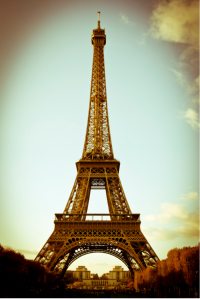
This image is of the Eiffel Tower, but don’t forget Paris, France, and Western Europe. That covers the place name, but you better also use the keywords landmark, tourist attraction and tourism. While someone might be looking for Eiffel Tower, other buyers may simply be looking for landmark Paris or tourism France. Remember, you cannot know exactly what the buyer will be searching for.

While this takes care of the proper place names, you should also use generic place keywords, such as:

  • exterior
  • interior
  • outdoors
  • studio shot

There are other aspects of WHERE the image is set that you should keyword. Read More→

Guide to Keywording Images – Part 4: by Jody Apap

How Do I Keyword the Objects in My Image?

This is the fourth in a series of posts about how to keyword your images. While this guide is written primarily for stock photographers who need great keywording to ensure robust sales of their images, any photographer or image librarian would do well to think about the concepts being covered.

This post will cover the details of keywording the WHAT in your images, basically anything that is a “thing” in the image, including the subjects of the image and the background things.

The first thing you should be keywording is the number of objects, animals or servings of food shown in the image.

  • one object
  • two objects
  • three objects
  • four objects
  • many

The object keywords should be used for the main subjects of the image, a close up of three balls. Don’t try to count all the objects in the image, just the subjects. Think of a child’s counting book, it should be instantly obvious what is being counted and how many there are.

  • one animal
  • two animals
  • three animals
  • four animals
  • group of animals
  • one serving
  • two servings
  • three servings
  • four servings

The animal and serving keywords have less strict guidelines for use. Any animal in the image should be counted, and any serving of food, as long as easily seen should be counted.

While this first step in keywording objects is pretty straightforward, choosing which objects to keyword and which to ignore is a source of debate and difficult, if not impossible, to definitively define. Read More→

Guide to Keywording Images – Part 3: by Jody Apap

How Do I Keyword the People in My Images II

In my last post I covered the major elements to keywording people:

  • Number of People that are the subject of the image.
  • “Industry standard” age/gender groups such as male adult and female senior adult.
  • Family relationship portrayed in the image.
  • Ethnicities or races of the people in the image.

This post will cover a lot of the other keywords you should be adding to your images of people.

Angle of View and Body Length

These two are much more important that you might think.  Editors often know what kind of shot they are looking for and these are two qualities that they are often looking for.

There are three basic angles of view:

  • front view
  • side view (profile is a type of side view)
  • back view

Every person has one of these angles to the viewer, so you might as well keyword it.  A few other searches at Alamy.com gave me these results:

  • woman: 2,580,483 results
  • woman front view:  282,273 results
  • woman side view:  158,651 results
  • woman back view:  54,448 results

Less than 20% of images with women in them have any angle of view keywords with them.  A rough extrapolation indicates that there are about 1,000,000 images of women that are front views that would not be shown to buyers looking for women front view.

Read More→