 Facebook is constantly making changes to the News Feed to improve the user experience. Their latest effort hopes to reduce the number of links to low-quality web page experiences and to show more informative posts instead.
We’ve all experienced it, you’re scrolling through your News Feed and you see a great headline or photo that catches your eye. When you click on the link you’re presented with popups, offers, links, and general SPAMMY goodness. Frustrating isn’t it? Facebook has heard the complaints and now they’re taking even more steps to fight it.
Facebook is rolling out an update to show fewer Posts and Ads in the News Feed that link to these low-quality, misleading, disruptive or malicious sites. Similar to the work they’re already doing to stop misinformation, this update will help reduce the economic incentives of financially-motivated spammers.

There is a policy already in place to help prevent advertisers with low-quality web page experiences from running ads on Facebook, but now they are also taking into account Posts in the News Feed.
“With this update, we reviewed hundreds of thousands of web pages linked to from Facebook to identify those that contain little substantive content and have a large number of disruptive, shocking or malicious ads. We then used artificial intelligence to understand whether new web pages shared on Facebook have similar characteristics.”
If they determines that a post links to those types of low-quality web pages, it may show up lower in the News Feed and may not be eligible to be an ad.
How will this update impact your marketing efforts?
If you offer quality content through your Facebook Posts and Ads, you should see a small increase in traffic, but if you’re one of those SPAMMERS, expect to see a decline in traffic over the coming months. This update is only one signal that Facebook uses to rank the News Feed, so the impact will vary by publisher and their overall activity.

Founder of Current Photographer, co-host of The Digital Photography Cafe Show, Designer, Photographer, and overall tech geek.
 We’ve been using Twitter since 2009, and what started out as a social network for early tech adopters has turned in to a main stream communication platform for everyday people, celebrities, and politicians alike.
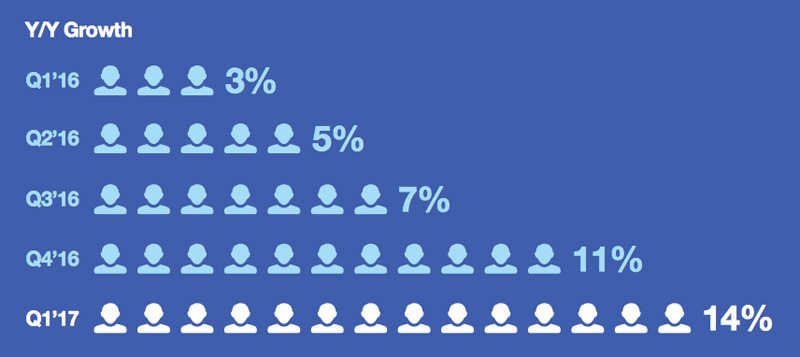
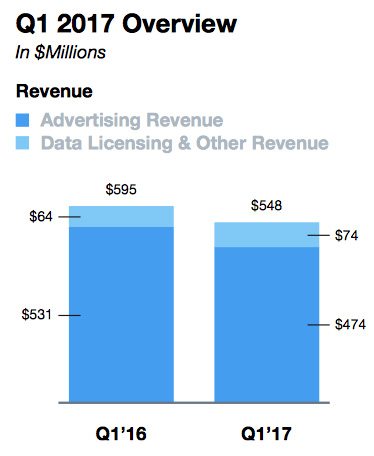 While Twitter’s user base may be on the rise, their first quarter sales are on the decline. Last year this time sales were $595 million, but a year later they fell to $548 million. This marks the company’s first year-over-year sales decline since going public in 2013.
 A little over a year ago Instagram updated to an algorithmic feed rather than the chronological feed we all knew and loved. This change caused an uproar in the social marketing community, and left many photographers scratching their heads wondering how they would reach their audience.
 Instagram has become a powerful social network for photographers over the last few years. As Tweets fly by, and Facebook updates get buried in the stream, it has become harder and harder for photographers to get their photos (and message) in front of clients and prospects.
 Mobile devices such as smartphones and tablets are everywhere. We all have them, and we use them everyday (all day). Your clients and prospects are using these devices as well. Brides are sitting on the couch watching TV and searching for their florist, reception hall, and yes, even their wedding photographer.
 This is not news, but if you have an old Flash powered website you already know it won’t display or function properly on iOS devices, and performance is sketchy at best on Android and Windows Phone devices. So if those Brides are searching for a wedding photographer and your site doesn’t display, they will move on to your competitor who has a mobile-friendly website.

