Archive for Tips – Page 6

5 Easy Tips to Improve Your Portraits (and they don’t cost a dime)

Often times a portrait photographer does everything right; perfect lighting, great location, correct exposure and flawless composition. However, the photo still comes out flat. Something isn’t right. Smiles are forced, people are uncomfortable and the emotion is just not there. The fact is, if you’re photographing people don’t forget about the most important part – the people. When was the last time you were in front of the camera? Do you remember how that felt? If not, please ask someone to take your photo and come back to this post after you’re done. The bottom line is that being in front of the camera can be rather difficult and stressful for some people and it’s our job as photographers to make them feel at ease so that they in turn will look better in the image. Here are five tips to improve your attitude (and in turn your portraits):

  1. Don’t put the blame on the subject – remember that your attitude is everything and it’s only your attitude that you can control. Consciously or not, people will sense if you are angry, annoyed or uneasy in any way so check the grump factor at the door. If you’re photographing children or pets your attitude is even more important because both of these will immediately sense your frustration and then you might as well pack up and go home.
  2. Take the time to talk to (and listen to) your subject (yes, even works with pets). Show an honest interest in them. If you have serious disdain for whatever you are photographing please consider another line of work before you take on something that will only lead to disappointment. Read More→

It’s Good to Talk (to Other Photographers)

I’m writing the first draft of this article sitting in a cafe in Edinburgh whilst reflecting on a delightful morning of pure, unadulterated ‘tog’ chat (or photog if you prefer). My reason for travelling the length of the country overnight on a bus wasn’t for a morning networking, but I thought I’d take advantage of having a few spare hours to share and learn over a black pudding and haggis brekkie.

In the dark ‘ol days of photography when dark rooms were dark and starburst filters were…. well, they were always rubbish….. Photographers would hide away in their (yet to be painted white) studio avoiding contact with any others who may dare to tread near their patch. The fear that talking to any fellow professionals might somehow lead to us being robbed of the wonders of our business and artistic mind…….. but that was then.

Today the modern photographer embraces world of web 2.0….. he tweets (even though he doesn’t really know why) he posts reasons why it’s important to hire a professional photographer (and not Uncle Bob) on his blog and he worries about the thousands of pounds/dollars he’s losing when someone uses his images as their Facebook profile. Read More→

Creating A Beautiful Engagement Session

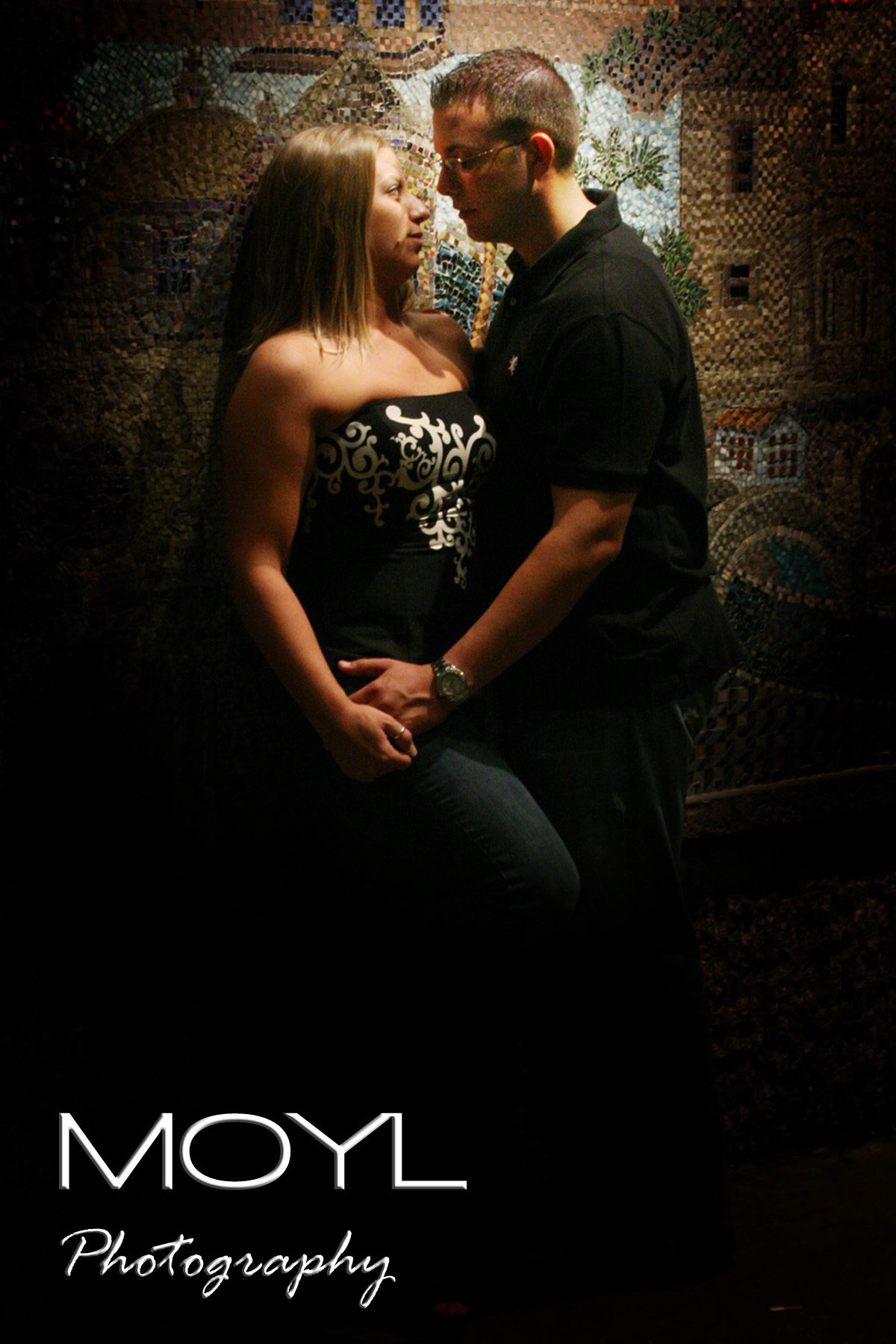
MOYL EngagementEngagement photo sessions can be a very rewarding experience for your wedding photography clients. I like to tell my clients that engagement sessions are great for them because it gives them a chance to just take a break from wedding planning and spend a couple of hours focusing on each other and remembering that the whole reason they are doing this crazy event is because of each other. Here are a few things to keep in mind when creating a wedding engagement session for your client.

Make sure the environment is a reflection of the client. These photos are really for the client to enjoy and send out to friends and family before the wedding. They should be a reflection of the clients personality and interest and not the photographers. Talk with your client. Throw out some suggestions of places you like to shoot and see what they think. Many times they will surprise you with ideas of their own. I am based in San Antonio and we have a beautiful downtown area. I love to shoot there because no two shoots are ever the same and the client will get a fun, energetic, one of a kind engagement session.

Let their personality show through. Let them just have fun together and capture those moments. Don’t be too strict in your positioning as that will come out in your photos. You want to let them be as natural as possible. Lots of kissing, lots of touchy feely. You’ll find it makes them relaxed and your photos will have a truly emotional connection show through. Read More→

Photography 101: Aperture And You

You have been shooting your photos in auto mode for far too long. You want to take the plunge and kick those photos up a notch. Where do you start though? Aperture, exposure, ISO, slow lenses, fast lenses, cake or pie? These new ideas start flooding in when you start reading up on how to go beyond auto shooting mode. Take a deep breath and relax.

One of the biggest areas so many photographers deal with is the exposure triangle. This is the correlation of ISO, Aperture, and Exposure. Each of these items plays a major role in your photos, how they look, and influence the overall feel of the shot. Even more complicated is how closely these three items intertwined with one another.

For this article, let’s focus on one aspect of this triangle in aperture. A more common term used for aperture is f-stop. I am not going to go into all the mathematics that comes behind aperture. You math gurus can easily hit up Wikipedia to get your formula geekery on. Let’s get the show started.

Aperture is one of those weird numbers in photography. By weird, I mean the smaller the number the larger the aperture the smaller the depth of field. The first part of this is the smaller number equals a larger aperture. Read More→

Dealing With Amateur Photographers During a Wedding

I’ll never forget the first time I had to deal with other photographers at an event. I was standing next to the altar waiting for the ceremony to start. As soon as the music stopped suddenly there were 15 other amateur photographers up at the front taking photos. I literally had to fight for space and for shots. It took me by surprise and I had to adjust my thinking with how to deal with other photographers when I am the hired gun. Here are a few tips that I use.

Talk with your client. Explain to them that they are hiring you for this event and while you want your guests to enjoy the photos they also want to make sure that guests don’t disrupt the event. Ask them to have an announcement made that you will be the photographer for the event and to please stay in their seats during the ceremony and that you will make the photos available for purchase to friends and guests. Doing this can eliminate having to fight for space.

Work around other photographers. Remember that even though you are the professional you  don’t want to step on the toes of the guests of your clients. Politely ask if you could switch positions with them. Many times they are unaware that they are in your way and are more caught up in the event and have no problem moving. Read More→

HDR – What’s Next and What’s Already Possible

Love it or hate it, high dynamic range photography (and video if you’ve been keeping an eye on Soviet Montage Productions) is the future. HDR photography isn’t new by any means but the technologies that are evolving are quite exciting.

Photoshop CS5 was shipped with it’s latest HDR innovation and Canon have raised the game with their recent patent application (USPTO Appl. No. 12/630,594). Without going to to too many details, it seems that Canon have found a way to alter exposure values at pixel level, thus creating a single image, from a single frame, with a wider dynamic range than we’ve seen from any DSLR.

Now that’s pretty exciting wouldn’t you say?

I had plans to head to the PhotoCreative workshop and build a camera from the ground up which uses a beam splitter optic and two full frame sensors… but this might prove a tad time consuming and somewhat expensive so I’ll wait to see what Canon come up with!

The thing is I’m not really a massive fan of HDR software… I’m a wedding and portrait photographer, so posing a subject in a Daguerreian style whilst a capturing multiple frames it’s terribly practical.

Till Canon tempt me into another camera body with this new technology, I’ve settled for merely taking advantage of the wonderful range that my RAW images already have.

Just for the record I don’t use Lightroom or any ‘reclaiming’ tools. All of my RAW files are processed using Aperture (which gives you a better range to work with than Camera RAW). The changes after that are all done in Photoshop utilizing the channels.

Here’s quick example of how I like to increase the dynamic range of my images…. (This isn’t a full on tutorial but the fundamentals are there) Read More→