Archive for Dave Wares – Page 2

Scenic Outlook – Preparing for Winter

It doesn’t seem like that long since I did my autumn post but here we are getting into December and the winter months. For a lot of people winter means cold and wet and staying at home all snug and cosy with the fire roaring. Ignore your desire for comfort because if you do you’ll be missing a wealth of opportunity that awaits in the great outdoors.
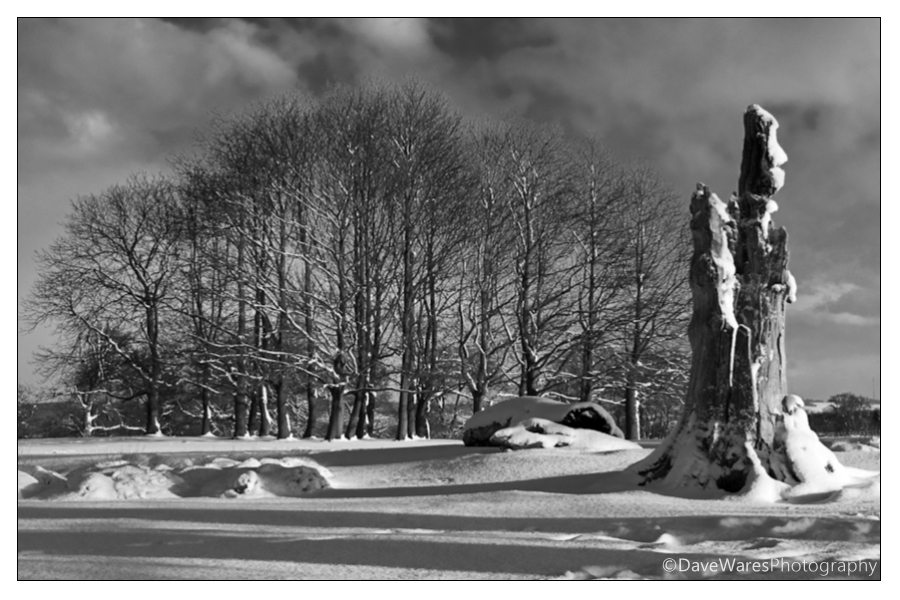
There are many things that you can get your teeth into during the winter months, with the sunlight remaining fairly low throughout the day you can really make the most of your time. Most of the trees will be bare, which in some cases is when they can look at their best, photographically speaking, especially when there has been a heavy frost or some snowfall as this will really pick out those branches. You could have rolling hills covered in snow, an icy lake, the list goes on and on. Read More→

Scenic Outlook – Look for Details

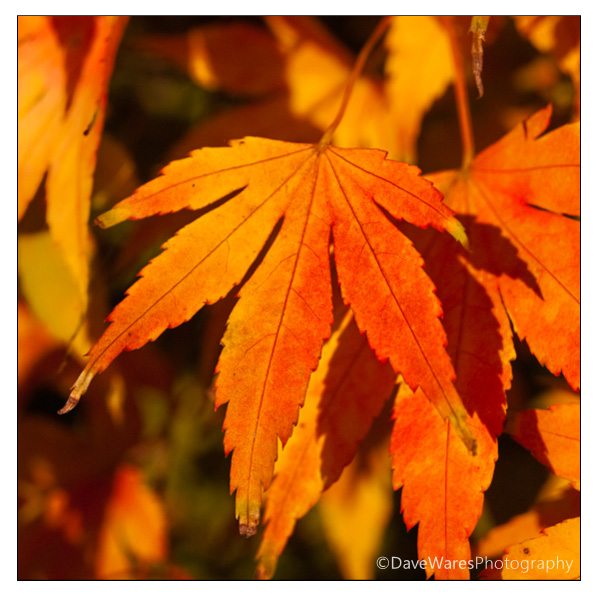
We all love going out with our wide angle lenses to try and capture the vast landscapes we see before us. The hills and valleys, a vast lake or golden sandy beaches with blue skies and fluffy clouds; it is these kinds of things that capture our imaginations. But landscape photography is much more than just this, it is about seeing things within the landscape, looking for objects, patterns and colour that you could pick out and show off. Sometimes this can referred to as ‘Macro landscapes’, but it doesn’t necessarily mean taking shot with a macro lens. All three examples you see here were taken using a 18-50mm focal range but any focal length could be used depending on the situation you’re in. Telephoto lenses are great for picking out things in the distance, but they can also be great for close-up photography as well if you don’t have a dedicated macro lens.

You could choose something straight forward such as focusing on one particular tree to show off it’s branches and foliage. Read More→

Scenic Outlook – Balancing the Scene Part 2: Multiple Exposures and HDR Tonemapping

In my last post we looked at how to use graduated ND filters to help balance the scene when the contrast between sky and land is too great for the camera to deal with. This time we are going to look at another two options to help balance the scene that use the same basic idea of taking multiple exposures with the intention of blending them together at the post processing stage. Exposure bracketing or AEB is not a new thing and has been a feature on both digital and film SLRs for years. The idea when using film is to hedge your bets and make exposures either side of the cameras recommended value, thus ensuring at least one slide with a decent exposure when you got your film back from the lab. This idea stayed when digital cameras were introduced, but nowadays we’re using the different exposures to make one good one. This can either replace the idea of using a filter system or can be an alternative when presented with certain situations where a filter may cause more problems. These sorts of situations could include something like a mountain valley or perhaps a city scene, with lots of tall buildings cutting across the skyline. In these situations the filter would not only darken the sky but would also darken your mountain or skyscraper.

So the first option of using multiple exposures would be to take at least two shots, one biased towards the sky and one towards the land with the idea of merging them together on the computer. This is a fairly straight forward process which involves bringing both pictures together as layers then erasing the unwanted parts as necessary, taking care to do it gradually to achieve a seamless result. Once it looks right you can flatten the layers and continue to work on the image as a whole. In reality there in an awful lot of dynamic range within a single RAW file and with the help and careful use of the Highlight/Shadow tool in Photoshop you will be able to achieve great results using just two exposures.

S

Read More→

Scenic Outlook – Autumn Approaches

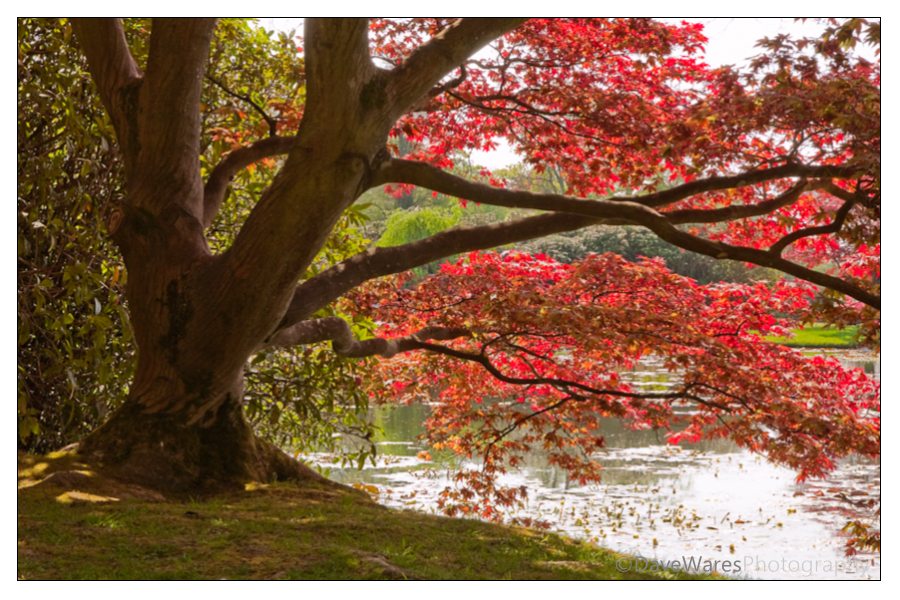
If I’ve timed this right then Autumn/Fall should be upon us, at least for those of us in the northern hemisphere. If summertime didn’t quite grab you enough to get you out of bed at ridiculous times of the day then autumn sure will. Due to the higher position of the Sun during the summer months the light is often very strong giving less definition to the landscape. In addition to this the grass will be green as will much of the leaves on trees and bushes, nice for us to look at but very often does not translate into photographs very well, this is because you end up with a mass of greenery in the picture and it becomes very difficult for us to see all the elements individually. During Autumn however, this all changes, with nearly all of the trees foliage gradually turning from greens through to yellow then to reds, and all at different rates.

This display of colours combined with the ever lowering position of the sun creates some of the most beautiful scenery nature has to offer. As I’ve said before, being out both during early morning and late evenings pays dividends for your photography as all these wonderful colours are brought to life, being more saturated with the warm glow of the rising/setting Sun. Read More→

Scenic Outlook – Introducing Dave Wares

My interest in photography started back in 2003 when I bought a small digital compact camera with the intention of taking snaps of the family. After a short time my interest started to expand and I found myself going out more to photograph the local scenery. It wasn’t too long before I became frustrated with the limitations of my compact and so I decided to buy my first SLR, however, I didn’t have the cash needed to purchase the DSLRs of the time so I went the film route instead, I then spent the next three years shooting slide film. It was in these early days that I developed my love for shooting landscape and nature, being inspired primarily by photographers such as Joe Cornish, David Noton and Andy Rouse. Another figure that has been a great source of inspiration is my cousin Steve (whom I also work with). He has been a keen landscape photographer for many years and I owe a lot to him for helping me out during my early days. In late 2005 my slide scanner died which pushed me to purchase a DSLR in Jan 2006. I believe this enabled my photography to improve at a much faster rate simply because of the instant feedback I got, rather than having to wait a week before getting my slides back.

Since then I have expanded my interests further and a couple of years ago I got heavily into Urban Exploration, going into various derelict venues shooting all those nasty things that others have behind. I must say that this has taken my photography to a new level and given a new lease of life to the old grey matter. It has also led me into the world of HDR and 2010 was definitely my year for that, though my first HDR attempts were with landscape shots. I seem to have developed my own style with HDR and have somewhat gotten a reputation in this field with those that know me, this is probably due to the fact that I didn’t really seek out any tutorials and just processed things in my own way. Read More→