Archive for Make Better Photographs – Page 16

Photography Inspiration: by Andrea Boley

A picture is worth a thousand words. This is a saying that many photographers live by. Photographs capture memories and help time stand still if only for a short while. As a professional photographer, you know that each shot has the potential to be “the one”, so everything must be perfect. From the lighting to the location, the best pictures are those that are well thought out and planned. This means that you are constantly on the hunt for inspiration. Location, without a doubt, can make or break the picture and can also determine whether or not your clients will trust you with their precious memories. If you are looking for great locations to capture memories for clients’ photo shoots, get inspired by the following tips.

Go on a drive through a historic town. Historic towns offer many options for photographers who are looking to add the “antique” edge to their photographs. I have received some of the greatest inspirations from going for a drive through a historic town. From old coffee shops to historic mom and pop businesses, there will be countless places for you to make each and every photo truly unique. Historic towns that have been preserved and are still in business are often clean and family friendly which makes them perfect for photo shoots.

Make use of the farm. You are probably thinking that making the farm a great photo location is impossible. Think again! Old red barns, wagons, tractors, etc. all make the farm a perfect photo location. This location can offer a fun experience for children and families who enjoy all things farming. It is particularly good for little boys who are on their first adventure to the farm.

A mountainous walking trail. One of the most beautiful inspirations that I have come across was on a hike up a mountain trail. If nature is your client’s choice for location, a small hike may just be the answer. From pristine waterfalls to exotic plants, this location is second to none for nature lovers. Be sure to hike up the mountain before hand to find the perfect time for lighting for your photos. Wooded areas may only receive minimal light throughout the day. Read More→

Scenic Outlook – Look for Details

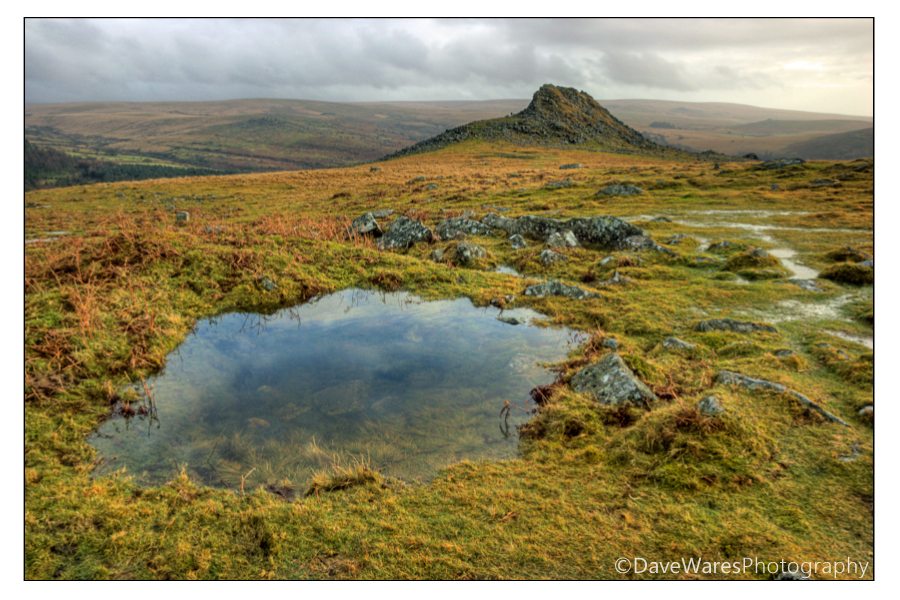
We all love going out with our wide angle lenses to try and capture the vast landscapes we see before us. The hills and valleys, a vast lake or golden sandy beaches with blue skies and fluffy clouds; it is these kinds of things that capture our imaginations. But landscape photography is much more than just this, it is about seeing things within the landscape, looking for objects, patterns and colour that you could pick out and show off. Sometimes this can referred to as ‘Macro landscapes’, but it doesn’t necessarily mean taking shot with a macro lens. All three examples you see here were taken using a 18-50mm focal range but any focal length could be used depending on the situation you’re in. Telephoto lenses are great for picking out things in the distance, but they can also be great for close-up photography as well if you don’t have a dedicated macro lens.

You could choose something straight forward such as focusing on one particular tree to show off it’s branches and foliage. Read More→

A Photographer’s Diary, Village Life

An English Spring

It’s not too short of a year now that I’ve been coming to a little village that I discovered over a year ago and seeing it change through the seasons. This last weekend I took myself off there to see how the trees by the lake were getting on for changing leaf colour. It wasn’t the day for doing photography; the sun disappeared on me on the way over and it became one of those dark days with little light that we’ve been having recently.

So I missed my opportunity, yet I saw another side of life to this lovely village. As I was driving along their were horse boxes parked on grass verges and Rangerovers coming towards me, men wearing flat tweed caps and wax jackets looking over the hedgerows, and I of course realised that there was a hunt on.

Now I’ve always liked the hunts for the colour of the red jackets that riders wear and I have been as a child to see the riders and there horses all meet before going off to ride across farmland. And the farmer who I’m doing the year in a life of offered me the opportunity to go onto his property to take photos shoots with wild birds. And I wasn’t quite sure, I thought that I would take the opportunity to go as it wasn’t something that I’ve done before, I wasn’t sure if I would like it. I haven’t yet got around to doing that and I now know I wouldn’t want to.

One Autumn Weekend

Read More→

A Photographer’s Diary, A Well-earned Rest

Time for a rest

This last weekend I took a short break, a weekend of not thinking about photography holidays, Healing with Photography or how to move my businesses forward. Ah it was bliss and the perfect antidote to a very busy ten days where I didn’t stop from dawn till dusk and beyond.

My boyfriend and I headed off to a local coastal resort for some relaxation, nothing to think about but steam rooms and swimming pools, walks along the prom and a wee bit of window shopping.

Did I take my camera with me we?  Well yes of course I did, I contemplated not doing so, though I knew I’d only wish it was on my shoulder, but did I ‘work?’……no!

The really nice thing is that my boyfriend enjoys photography, so much so he has invested in a new camera like mine so we can share accessories. I’m like a child in a sweetshop or make that toy shop. He has bought toys I’ve never seen before, a 600 mirror lens with a two times convertor. Now this is fun! He was able to pick out people walking along a mountain road, a mile or so away as the crow flies, that I wasn’t able to see with the naked eye. Private detectives eat your heart out! Read More→

5 Tips for Photographing Dogs

Dogs, they’re unpredictable and full of fun. I love dogs and love having the opportunity to photograph them, so I am always up for that challenge. For those of you who are new to pet photography, here are some tips to help you adjust to working with man’s best friend.

1. Location
Location plays a huge role in the overall demeanor of a dog. My first choice would be to photograph a dog at their home. They are already familiar with the home or yard and will quickly adapt to someone new being in their territory. Many pet parents would prefer the dog to be photographed on-location rather than at their home. Be prepared to take some extra time before the shoot for the dog to sniff and scope out the area. Not only are they in a new location, but they also need to warm up to a new person as well. I request clients arrive 15-minutes prior to the session so the dog can start adjusting to the location.

Read More→

Scenic Outlook – Balancing the Scene Part 2: Multiple Exposures and HDR Tonemapping

In my last post we looked at how to use graduated ND filters to help balance the scene when the contrast between sky and land is too great for the camera to deal with. This time we are going to look at another two options to help balance the scene that use the same basic idea of taking multiple exposures with the intention of blending them together at the post processing stage. Exposure bracketing or AEB is not a new thing and has been a feature on both digital and film SLRs for years. The idea when using film is to hedge your bets and make exposures either side of the cameras recommended value, thus ensuring at least one slide with a decent exposure when you got your film back from the lab. This idea stayed when digital cameras were introduced, but nowadays we’re using the different exposures to make one good one. This can either replace the idea of using a filter system or can be an alternative when presented with certain situations where a filter may cause more problems. These sorts of situations could include something like a mountain valley or perhaps a city scene, with lots of tall buildings cutting across the skyline. In these situations the filter would not only darken the sky but would also darken your mountain or skyscraper.

So the first option of using multiple exposures would be to take at least two shots, one biased towards the sky and one towards the land with the idea of merging them together on the computer. This is a fairly straight forward process which involves bringing both pictures together as layers then erasing the unwanted parts as necessary, taking care to do it gradually to achieve a seamless result. Once it looks right you can flatten the layers and continue to work on the image as a whole. In reality there in an awful lot of dynamic range within a single RAW file and with the help and careful use of the Highlight/Shadow tool in Photoshop you will be able to achieve great results using just two exposures.

S

Read More→